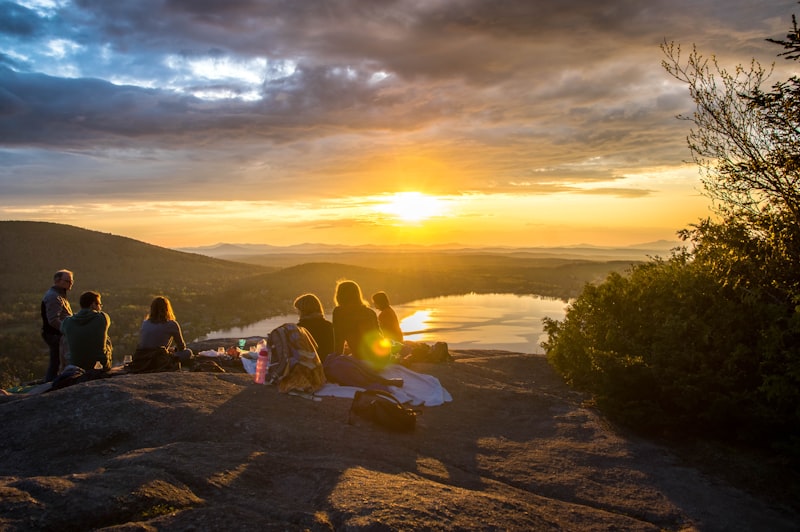
We started because we kept meeting people who'd been to Bali, Barcelona, and Bangkok but had never walked the Pembrokeshire Coast. Who could name Italian regions but not British counties. Who spent fortunes flying elsewhere while extraordinary experiences sat dormant an hour from home.
That felt backwards.
Our founder spent a decade organizing international expeditions before realizing most travelers didn't lack adventurous spirit—they lacked local knowledge. The assumption that "we've already seen everything nearby" was killing curiosity.
So we built the opposite: a company that treats Britain with the same reverence luxury travel agencies give to distant continents. Research-heavy. Detail-obsessed. Allergic to shortcuts.
Before any itinerary reaches a client, someone on our team has walked it, stayed in the accommodations, eaten at the recommended spots, and verified that the experience matches our promises. No hypothetical suggestions.
Technical knowledge matters, but so does the ability to read a room, adjust pace, and know when silence serves better than narration. Our guides are storytellers who happen to be experts, not experts forced to tell stories.
Large groups optimize for logistics, not experience. We cap journeys at eight people or offer private arrangements. This keeps encounters authentic and allows flexibility when someone wants to linger or skip ahead.
Many of the craftspeople, traditions, and locations we feature won't exist in twenty years. We actively seek experiences that deserve witnesses before they vanish, whether that's a fifth-generation cooper or a dialect spoken by fewer than a hundred people.
We're not interested in volume. Growth means expanding our catalog thoughtfully, not doubling bookings by cutting corners. Here's what that looks like in practice:
Domestic tourism done right creates ripple effects beyond the traveler.
When travelers bypass international flights for regional experiences, money stays within communities that need it. B&Bs survive another season. Artisan workshops remain viable. Transport infrastructure justifies maintenance.
Interest sustains traditions. When travelers pay for craft demonstrations or folk music sessions, they create incentive for younger generations to learn disappearing skills. Demand becomes a form of living archive.
Shorter distances mean lower emissions. Train travel instead of flights. Regional food systems instead of imported cuisine. It's not performative—it's structural efficiency that happens to align with sustainability.
People protect what they understand. When residents see travelers treating their home with genuine interest, it reinforces pride and stewardship. Tourism becomes collaboration, not extraction.
We don't do package deals with standardized itineraries. We don't promise relaxation—our journeys require engagement. We don't cater to people who want Britain to feel like a theme park. And we don't apologize for favoring depth over breadth.
If you'd rather scroll through photos than walk through landscapes, we're probably not a good fit. But if you're tired of surface-level travel and want to meet Britain on its own terms, this is exactly where you should be.